...

Die Castings

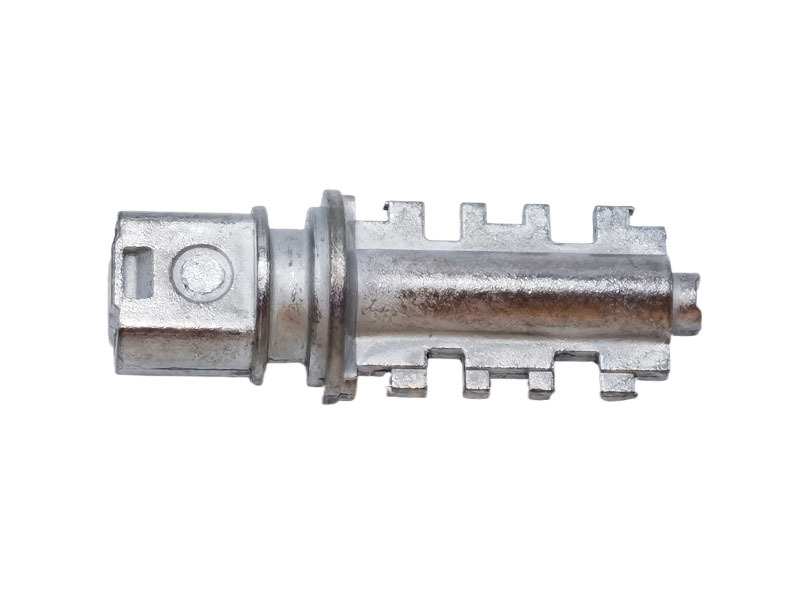
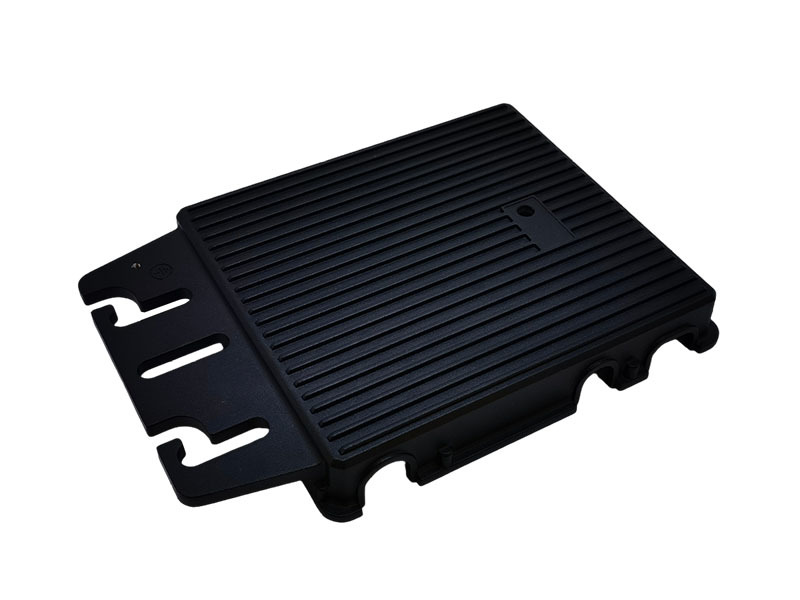
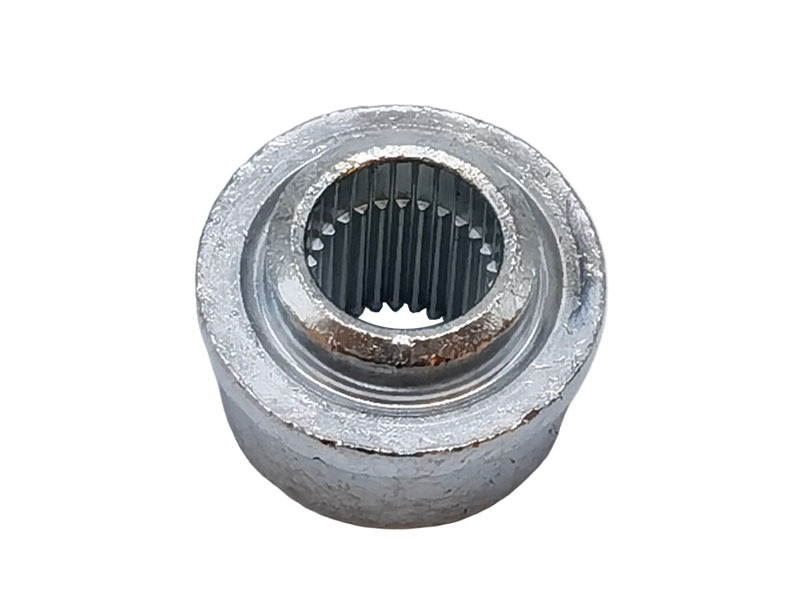
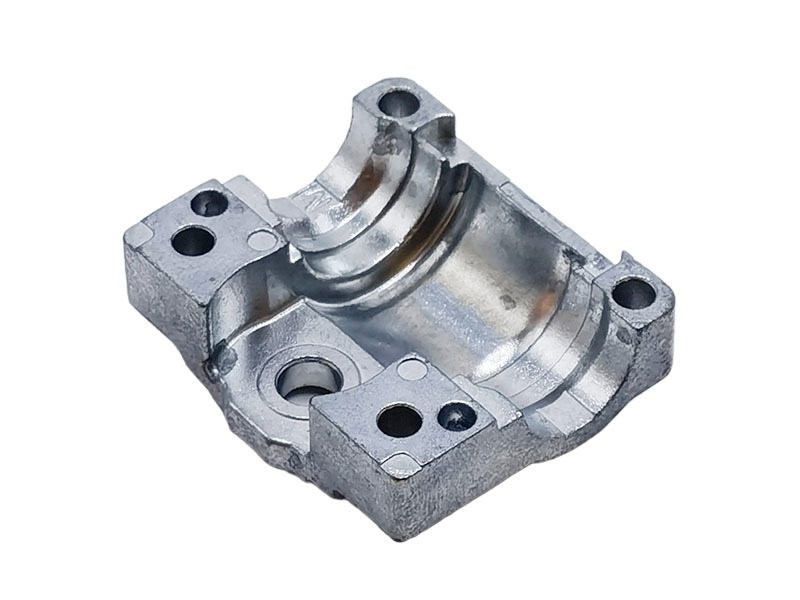
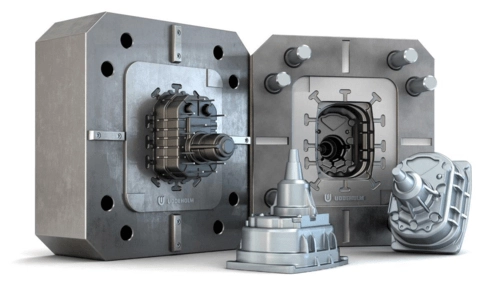
Die castings are manufactured through the die casting method, wherein molten metal is pressured into a mold with a specific configuration. This manufacturing method facilitates the creation of intricate shapes with precise tolerances, smooth surfaces, and consistent quality.

The castings are typically composed of non-ferrous metals like aluminum, zinc, and magnesium, which makes them lightweight, strong, and appropriate for large volume manufacturing.

Housing Bearing

Housing Bearing

This is a critical aluminum alloy bearing housing custom-made for renowned automotive manufacturers, achieving exceptional dimensional accuracy and long-term corrosion resistance through complex multi-axis machining and specialized surface treatments (anodizing passes 480-hour salt spray test, passivation passes 96-hour salt spray test).
Front Longitudinal Beam

Front Longitudinal Beam

This Front Longitudinal Beam is formed in a single operation using a 3500T ultra-large cold chamber die casting machine, weighs 9.3 kg, and utilizes its high-strength aluminum alloy structure and integrated forming technology to achieve the ultimate lightweighting and exceptional rigidity for a critical automotive safety component.
gear housing

Gear Housing

This automotive-grade aluminum die-cast gear housing leverages the die-casting process to achieve lightweight, high thermal conductivity, and exceptional dimensional conformity, and meets the 96-hour salt spray test standard through passivation treatment, fulfilling the demands for high-volume production and stringent quality requirements.
M61a774a01

M61A774A01

M61A774A01
Clamshell

Clamshell

Clamshell
magnesium die casting manufacturer

Automotive Magnesium Alloy Components

Automotive Magnesium Alloy Components
Drone Frame

Drone Frame

Drone Frame
Pinion (gear Wheel)

Pinion (Gear Wheel)

Pinion (Gear Wheel)
Cabinet

Cabinet

Cabinet

Main Application Areas of Die Castings

  1. Automotive Industry

The castings are commonly utilized for engine components, transmission components, brackets, and structural components because of their strength and precise dimensions.

  1. Electronics and Other Electrical Items

They’re typically employed in enclosures, heat sinks, and protective shelters for electrical equipment.

  1. Industrial machinery

Die casting is employed in mechanical components that need to have a long life, precision, and sustainability.

  1. Consumer and Family Product

Many hardware components, appliances, and ornamental metals are produced using die casting technology.

  1. Aerospace and Precision Engineering

High-quality castings are employed in aerospace and other precision applications that require lightweight and superior performance.

Advantages of Our Die Castings

  1. High-dimensional accuracy

Our die manufacturing process offers precise tolerances and consistent dimensions, which diminishes the necessity of secondary processing.

  1. Superb surface quality

Smooth surfaces enhance the appearance of the product and reduce the number of post-processing steps necessary, such as polishing or coating.

  1. Sound and Visibility of the Disc Jockeys

By using innovative alloys, our manufacturers can produce strong die castings while still maintaining a low weight.

  1. Constant Quality and Recommended Practice

The optimization of production processes is responsible for ensuring the quality of the product is consistent across large quantities of production.

  1. Effective Costs of Production

High productivity and reduced waste material help to lower the overall cost of manufacturing.
Contact Us

Tell me what you need