 Skip to content
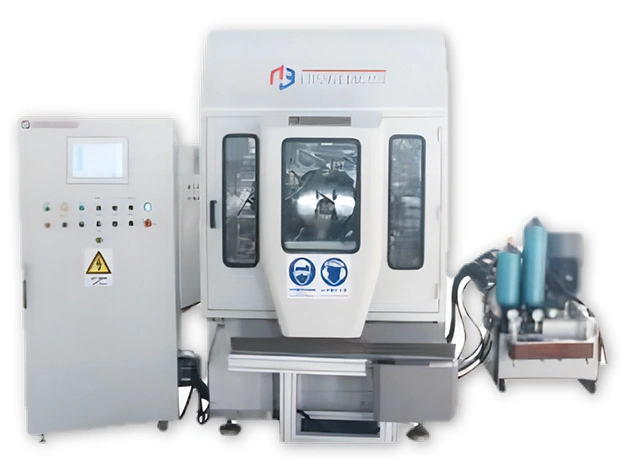
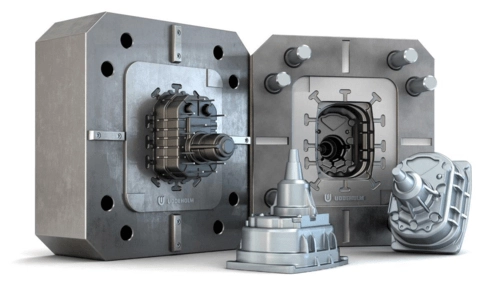
Tooling solutions are required to provide accurate, consistent-as-scale, and repeatable results in precision metal forming. Components become more complex with tighter tolerances; hence, the multi-slide die is critical for manufacturers of intricate metal parts. An appropriate choice of multi-slide dies needs good knowledge about forming principles and tooling design concerning material behavior besides production requirements.
The article details a good practice approach to selecting multi-slide dies for precision metal forming, in an analysis of forming complexity, die structure, material compatibility and efficiency of production with long-term performance of tooling. It supports engineers and tooling designers together with decision makers in manufacturing who are on the search for reliable as well as scalable solutions to implement forms.
Understanding Multi-Slide Dies in Precision Metal Forming
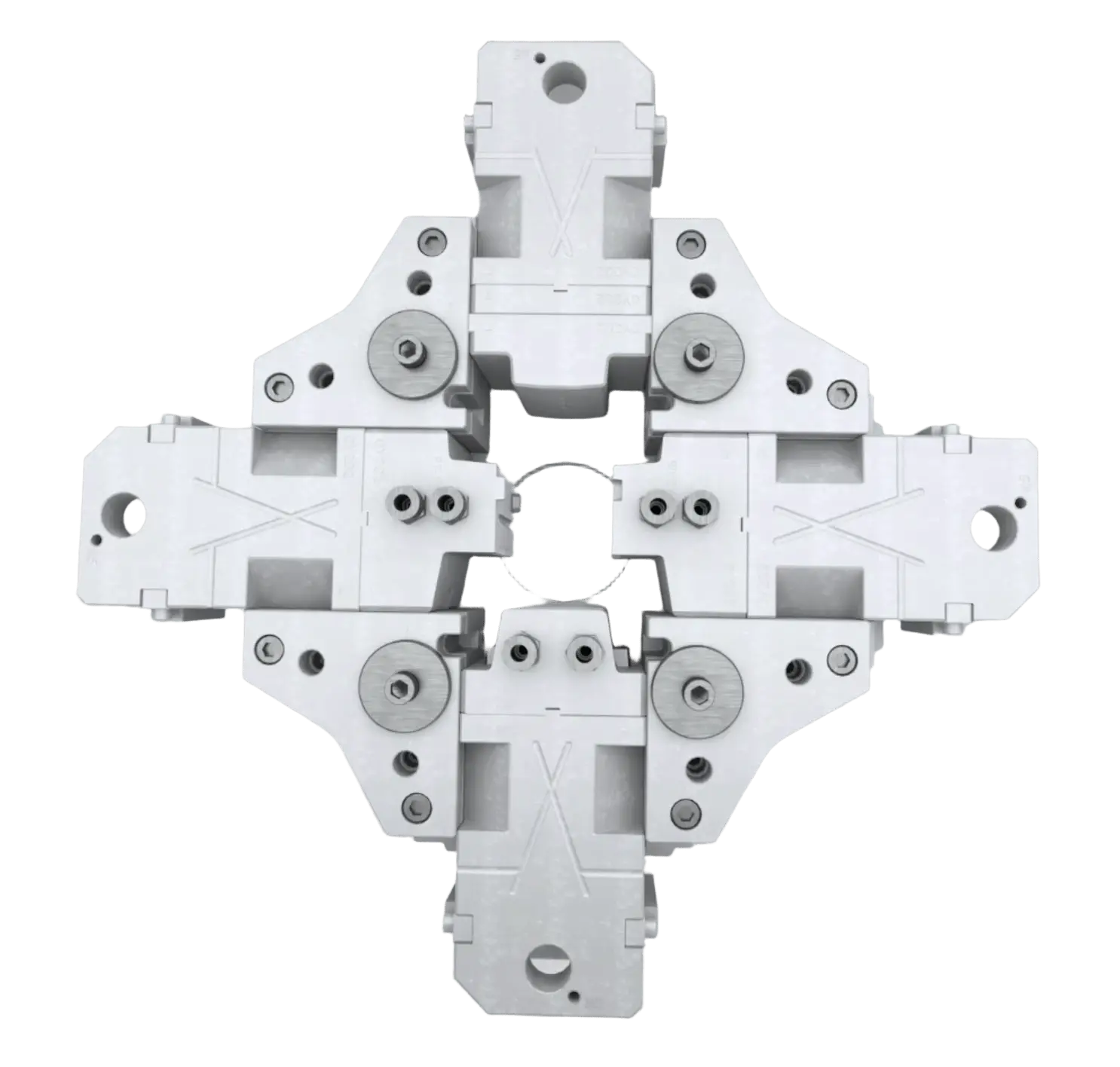
Multi-slide dies are specialized tooling systems that use multiple slides moving horizontally or at angles to form metal components. Unlike traditional stamping dies that rely primarily on vertical motion, multi-slide dies enable complex bending and shaping operations from multiple directions.
How Multi-Slide Dies Differ From Conventional Dies
Conventional stamping dies perform forming operations in one single, vertically downward stroke. This has proven efficient for the production of flat parts or those with moderate complexity; however, severe geometries require a multitude of operations or secondary forming steps to complete the component.
The multi-slide die permits and provides forming actions from more than one direction at a time. With this feature function available through different directions/features inside tools/dies used today’s manufacturers can create complex parts all within one cycle hence reducing handling while improving on dimensional accuracies as well as total productivity.
Why Multi-Slide Dies Are Essential for Precision Applications
Multi-slide Dies for Metal Flow Forming Control in Precision Components
Metal forming for precision components usually involves thin materials with tight tolerances and also incorporates several complex shapes. Multi-slide dies allow more excellent control over the material flow to permit accurate forming of bends, tabs, or any features without imposing unnecessary stresses that could result in deformation.
This makes multi-slide dies very useful where small highly detailed parts are required such as those used in high-performance applications.
Evaluating Part Design and Forming Complexity
The first step in selecting the right multi-slide dies is analyzing the part design itself. Not every metal component requires multi-slide forming, but certain characteristics make this approach especially advantageous.
Identifying Geometries Suited for Multi-Slide Forming
Parts with several bends, tight radii, or features coming from different directions are best suited for multi-slide dies. Those components which need forming actions to be carried out simultaneously will benefit from the motion of more than one slide in synchronicity.
If a part design contains complex geometry that would normally have to be formed in several stages, but can- through good tool design- all be brought into one operation inside a multi-slide die then this provides an excellent example.
Tolerance Requirements and Dimensional Control
The tolerance requirements of most metal forming parts are generally classified as either loose or tight. Where multi-slide dies can provide accurate positioning between forming elements, more dimensional accuracy is obtained with less variation from part to part. This type of consistency is often required in components used for assemblies where alignment and fit play a major role.
When determining the minimum possible tolerances that should be specified on a drawing, consider whether or not the die will maintain its accuracy throughout large quantities being run off without constant readjustments.
Material Compatibility and Forming Behavior
Material selection has a direct impact on die design and performance. Different metals respond differently to forming forces, making material compatibility a key consideration when choosing multi-slide dies.
Understanding Material Properties
Formability is defined by tensile strength, ductility, thickness, and springback behavior. Multi-slide dies are set up to work with these parameters in the finished part without creating cracks or distortion or imposing excessive wear on the tooling.
The most common materials formed in precision metal forming are stainless steel, copper alloys, aluminum, and carbon steels. Specific forming techniques must be used for each material to provide repeatable results.
Managing Springback and Material Flow
Springback is a return that happens after forming, and it completes the dimensional accuracy. Multi-slide dies help control this by managing the bend angles with forming forces coming from more than one direction.
Good sequencing between slides and tool geometry helps to compensate for material recovery so that final part dimensions remain within tolerance.
Die Structure and Slide Configuration
The structural design of multi-slide dies determines their effectiveness, durability, and adaptability to production demands.
Number and Orientation of Slides
The number of slides required depends on the complexity of the part. For simple components, two or three slides are sufficient, and for more detailed work in design there are several forming elements working together simultaneously.
The orientation of slides should be forming requirements to minimum material stress and smooth functioning. Proper configuration results in high forming accuracy and low tool wear.
Tooling Alignment and Mechanical Stability
The slides must be perfectly aligned to maintain precision. Any misalignment will result in uneven forming forces that can eventually lead to part defects as well as premature die failure.
A rigid die structure having precise guide systems makes sure of repeatable motion and consistent forming results even at high speed production.
Production Volume and Efficiency Considerations
Production requirements play a major role in determining whether multi-slide dies are the right solution for a specific application.
High-Volume Manufacturing Advantages
Multi-slide dies are particularly well suited for high-volume production. By performing multiple forming operations in a single cycle, they reduce cycle time and eliminate secondary processing steps.
This leads to lower per-part costs and improved throughput making multi-slide dies a cost-effective choice for long production runs.
Flexibility for Medium and Variable Volumes
Multi-slide is generally considered a high-volume production tool, but because it is accurate and repeatable, multi-slide can also be used for medium-volume production. Tooling that has been properly designed allows quick adjustment to new production runs with different requirements for output levels and maintains consistency in the final products.
The anticipated production volume will largely define the required investment level in tooling.
Tool Life, Wear Resistance, and Maintenance
Long-term performance is a critical factor when choosing multi-slide dies for precision metal forming.
Factors Affecting Tool Life
Tool life depends on material hardness, forming forces, lubrication, and surface treatments. High-quality tool steels and precision machining improve wear resistance and extend service life.
Multi-slide dies designed with replaceable wear components simplify maintenance and reduce downtime.
Maintenance Strategy and Downtime Reduction
Regular inspection and preventive maintenance help in sustaining forming accuracy, as well as the sudden failure of the machine. Convenient access to major components, together with lucid maintenance procedures, enhance effective operation.
A neatly set multi-slide die system runs consistently for long production hours.
Integration With Presses and Forming Equipment
Compatibility between the die system and forming equipment is essential for optimal performance.
Press Type and Motion Requirements
Multi-slide dies are most often designed for use with special forming machines having provisions for horizontal slide motion. Therefore, the die design must be compatible with the capabilities of such a machine to avoid any performance problems as well as mechanical stressing.
Proper timing between the slides and press motion ensures smooth operation and accurate forming.
Automation and Process Integration
The tooling designer should keep in mind that the tool will be used within an automated system. Most modern manufacturing setups use multi-slide dies and automatic feeding, checking, or handling equipment to allow maximum utilization with minimum manual intervention.
This increases consistency and allows a scalable production approach.
Quality Control and Process Consistency
Precision metal forming relies on stable processes and consistent output. Multi-slide dies play a central role in achieving quality objectives.
Repeatability and Process Stability
Once properly set up, multi-slide dies deliver high repeatability across large production runs. Controlled forming motion minimizes variation and ensures consistent part quality.
This stability reduces scrap rates and improves overall manufacturing efficiency.
Supporting Inspection and Validation
Consistent forming results simplify inspection and quality validation. Multi-slide dies designed for precision forming support statistical process control and traceability requirements.
Reliable tooling contributes to predictable quality outcomes.
Cost Considerations and Long-Term Value
While multi-slide dies often require higher initial investment, evaluating long-term value provides a clearer picture of their economic benefits.
Initial Tooling Cost vs Operational Savings
The tooling designer should keep in mind that the tool will be used within an automated system. Most modern manufacturing setups use multi-slide dies and automatic feeding, checking, or handling equipment to allow maximum utilization with minimum manual intervention.
This increases consistency and allows a scalable production approach.
Return on Investment in Precision Forming
Improved efficiency, reduced downtime, and consistent quality contribute to a strong return on investment. Multi-slide dies enable manufacturers to meet demanding specifications while maintaining production speed and reliability.
Long-term performance and durability enhance overall value.
Application Areas for Multi-Slide Dies
Multi-slide dies are widely used across industries requiring precise metal components.
Automotive and Transportation Components
Precision metal parts used in automotive systems often require complex shapes and tight tolerances. Multi-slide dies support efficient production of clips, brackets, connectors, and springs.
Electronics and Electrical Hardware
Small, intricate components used in electronics benefit from the accuracy and consistency of multi-slide forming. Controlled material flow ensures reliable electrical and mechanical performance.
Industrial and Consumer Hardware
Multi-slide dies support high-volume production of precision hardware components where dimensional consistency and surface quality are critical.
FAQs
When should multi-slide dies be used instead of progressive dies?
Multi-slide dies are ideal when parts require forming from multiple directions or complex geometries that are difficult to achieve with vertical-only motion. They often reduce the need for secondary operations.
Are multi-slide dies suitable for tight tolerances?
Yes, multi-slide dies offer excellent dimensional control due to precise slide positioning and synchronized forming actions, making them suitable for high-precision applications.
How does material choice affect multi-slide die design?
Material properties such as strength, ductility, and springback influence slide configuration, tooling geometry, and forming forces. Die design must accommodate these factors for reliable performance.
Do multi-slide dies support high-volume production?
Multi-slide dies are well suited for high-volume manufacturing due to their ability to perform multiple operations in a single cycle, improving efficiency and consistency.